Thinking about buying a home in Canton, but unsure how today’s market will treat you? You’re not alone. Between shifting inventory, winter timing, and neighborhood differences, it can be hard to know where to start. In this guide, you’ll learn how to read the local signals, what winter buyers should watch for, and smart steps to make a strong offer without overreaching. Let’s dive in.
Canton market snapshot for buyers
If you are shopping this season, focus on a few core indicators that reveal how much leverage you have.
- Months of inventory: Under 3 months usually favors sellers; 3 to 6 months is more balanced; above 6 months tends to favor buyers.
- Sale-to-list ratio: When the median sale price is at or above list price, competition is higher. When it trends below list price, you may have more room to negotiate.
- Days on market: Shorter median days suggest faster-moving homes and stronger demand. Longer days can open the door to concessions and price reductions.
- New vs. pending listings: If new listings rise and pendings stay steady, the pressure on prices can ease.
You do not need to memorize these metrics. You simply need to focus on how they move together. When inventory tightens and homes go under contract quickly, act decisively on well-priced properties. When inventory builds and days on market stretch, take your time, compare options, and negotiate with confidence.
How winter shifts supply and demand
Most markets see fewer new listings and fewer buyers from November through February. That often means less competition for the homes that are on the market, but it also means fewer choices. In Canton, that can translate into more negotiation room on homes that have been listed longer, especially if a seller is moving for a job change or a time-sensitive life event.
Winter pricing can be steadier than many expect. While spring often brings higher activity, constrained supply can keep prices from dropping. What changes most is the pace. You may see slightly longer days on market, plus more willingness from sellers to discuss repairs, timing, or concessions.
What winter means for your search
- Pros: Fewer bidding wars, easier scheduling for inspections and contractors, potential for contingencies and concessions.
- Cons: Smaller selection, weather can hide defects or limit exterior evaluations, and some contractors may have seasonal delays.
- What to do: Plan for a thorough heating system review, check for ice dam history, and adjust expectations on curb appeal since landscaping and roofs are harder to evaluate in snow.
Read the numbers like a pro
You can quickly size up a listing and a neighborhood by focusing on a few practical signals.
- Months of inventory: This combines how many homes are available with how fast they are selling. Under 3 months points to a competitive environment. Between 3 and 6 months is more balanced. Over 6 months is buyer-friendly.
- Sale-to-list ratio: Above 100 percent indicates multiple-offer pressure. Below 100 percent suggests pricing flexibility.
- Days on market: A median under a few weeks means you should be ready to act on a standout home. Longer times on market indicate room for negotiations or inspection allowances.
- Price per square foot: Use ranges rather than a single number, and always compare similar property types and condition. Smaller homes often show higher prices per square foot.
If you love a property that appears fairly priced and has low days on market, consider a clean offer with a quick inspection window. If the home has been sitting and inventory is building, start slightly below list price and focus on concessions that matter to you, such as closing costs or repairs.
Canton vs. Jackson Township vs. North Canton
Understanding local differences will help you set the right budget and expectations.
Housing stock and price tiers
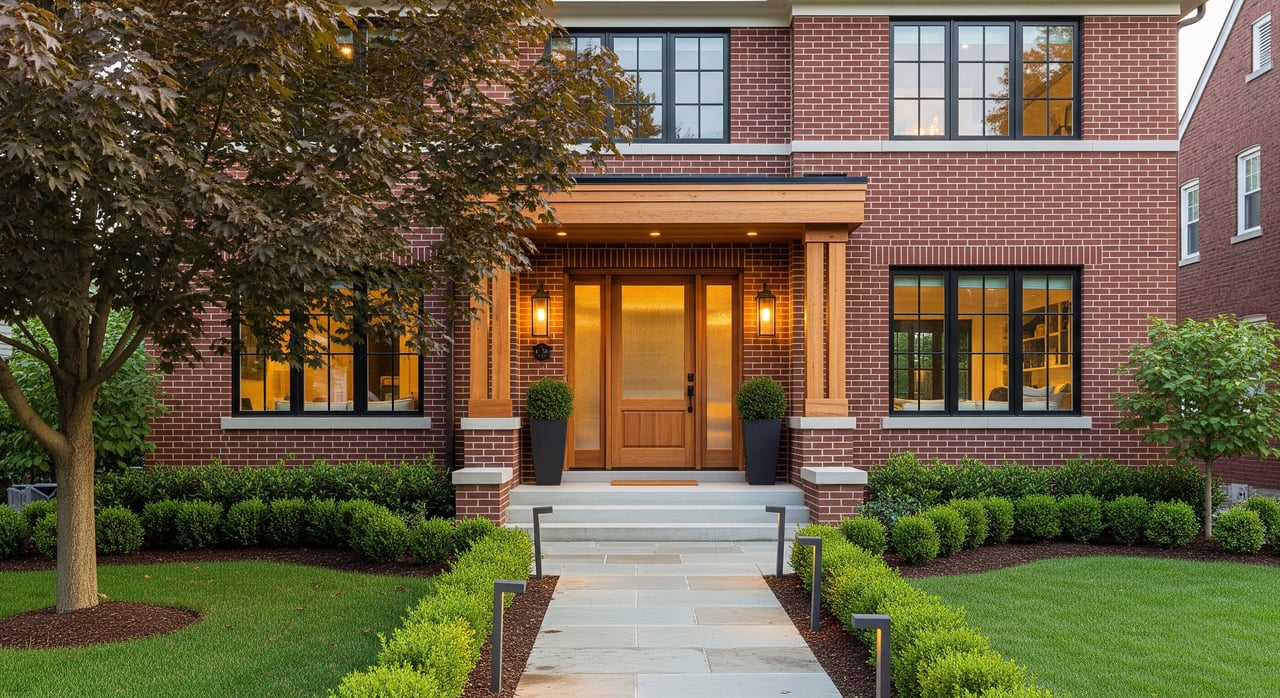
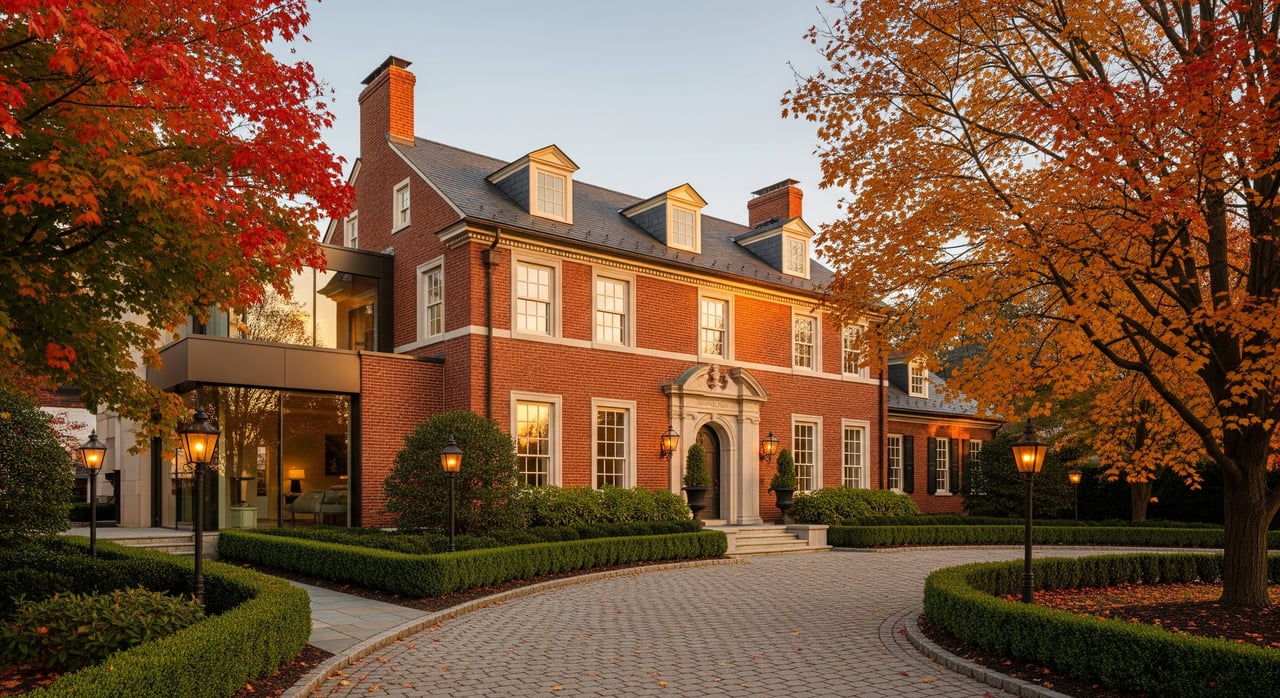
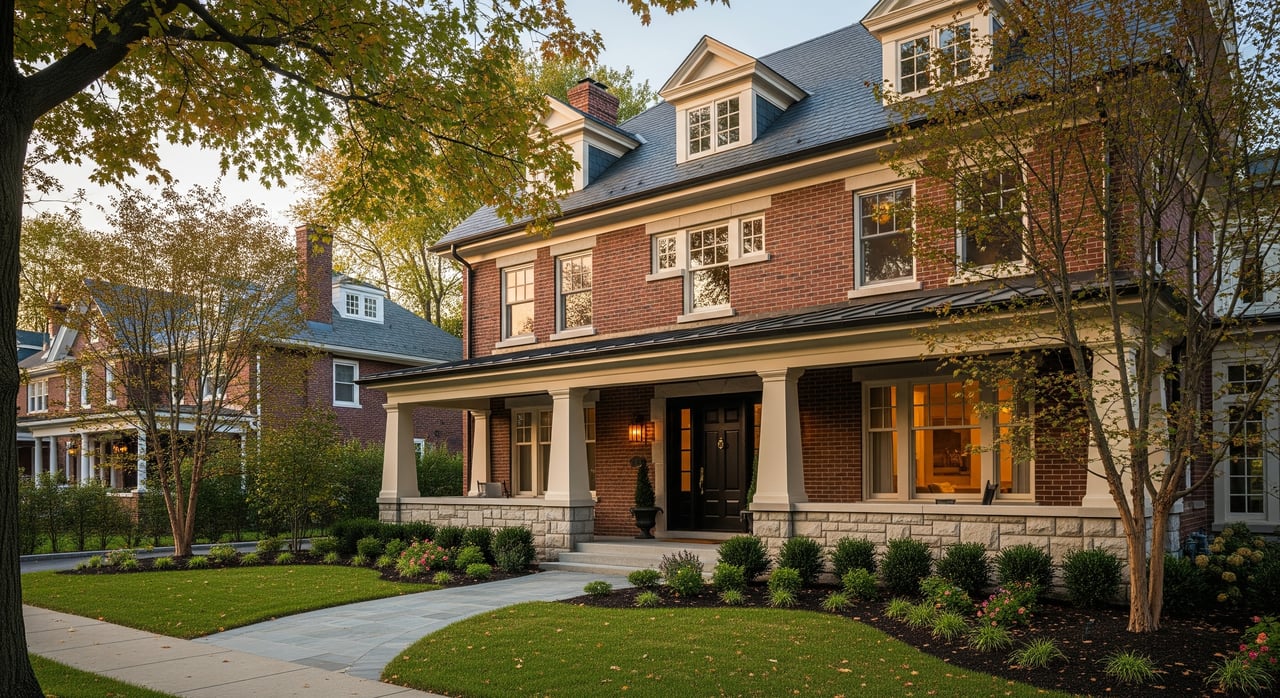
- Canton: You’ll find a wide mix of older homes with character, including bungalows, brick colonials, and mid-century ranches, plus some infill. Lot sizes and condition vary by neighborhood, and there are more entry-level price points in certain areas.
- Jackson Township: Expect more suburban subdivisions, larger lots in many neighborhoods, and a higher share of newer construction compared with Canton city.
- North Canton: Typically suburban with well-maintained neighborhoods and, in many cases, higher median prices relative to several Canton areas.
If you are choosing between areas, compare typical year-built ranges, price-per-square-foot, and lot sizes by neighborhood rather than city-level averages. That gives you a more accurate picture of value.
School districts and boundaries
School district boundaries can influence buyer demand and pricing. When you compare neighborhoods, confirm the specific district that serves each property and consider how listing activity changes within those boundaries. Use neutral, factual information and focus on how boundaries relate to your commute, activities, and long-term plans.
Taxes, utilities, and fees
Property tax rates can differ by municipality and school district. Ask for estimated tax amounts on homes you tour so you can compare true monthly costs. Also confirm utilities. Some areas rely on municipal water and sewer, while others may have private providers or HOA fees in newer subdivisions. Small differences here can impact your long-term budget.
Commute and amenities
Proximity to major routes like I-77 and US-30, medical centers, parks, and shopping corridors can shape demand and pricing. If commute time is key, weigh the value of quicker access versus larger lots or newer homes that might be further from activity hubs.
Smart offer strategies this winter
You can compete without overpaying when you tailor your approach to current conditions.
Get fully underwritten
A full underwriting pre-approval, not just a quick pre-qualification, makes your offer more credible. It signals to sellers that you have the ability to close and helps you move quickly if you find the right home.
Price with purpose
- Competitive feel: If months of inventory is low and homes are moving fast, consider offering at or slightly above list on well-priced homes. You can use an escalation clause with a clear cap to avoid overextending.
- Balanced feel: If inventory is rising and days on market are longer, start a bit below list and focus on terms that matter, such as inspection timing and seller-paid concessions.
Use earnest money strategically
A higher earnest money deposit can strengthen your offer, but protect yourself with inspection and financing contingencies. You can also tighten timelines, like a 7 to 10 day inspection window, if you are confident you can coordinate inspectors fast.
Appraisal planning
In faster markets, sellers may look for appraisal gap coverage. Only consider this if the price aligns with recent comparable sales. If you use FHA or VA financing, be aware of specific appraisal and condition standards, especially for older homes.
Timing and flexibility
Sellers notice clean, flexible timing. Offer a closing date that fits their schedule and consider a rent-back if needed. These small adjustments can win deals without raising your price.
Winter inspection checklist for Stark County
Cold weather makes certain issues more likely and others harder to spot. Prioritize these items to avoid surprises.
- Heating and HVAC: Request a comprehensive furnace inspection, including service history and filter changes.
- Roof, gutters, and insulation: Ask about ice dam history, attic insulation levels, and gutter maintenance.
- Plumbing and freeze protection: Check exposed piping, insulation, and any past freeze incidents.
- Foundation and basements: Look for signs of moisture, grading issues, and downspout extensions.
- Electrical and safety: Older homes may have outdated panels or wiring. Confirm recent upgrades or capacity.
- Sewer scope: Consider a sewer line inspection, especially in older neighborhoods with mature trees.
- Utilities on for showings: Confirm gas, electric, and water are active so inspectors can properly test systems.
What to watch right now
As you tour homes in Canton, focus on a few quick tells.
- Price position: Well-priced homes attract more views and offers even in winter. Review recent comparable sales, not just list prices.
- Listing age: The longer a home sits, the more likely a seller will discuss concessions or repairs.
- Updates and condition: A move-in-ready home can justify a firmer price. A property that needs work may warrant a lower offer or repair credits.
- Neighborhood trajectory: Consider nearby new construction, planned developments, or commercial additions that could support long-term value.
Your next step
If you want a calm, strategic path to a new home this season, you need local guidance and a clear plan. From Canton’s character homes to newer options in Jackson Township and North Canton, the right data and a tailored offer can put you in a strong position without unnecessary risk.
Ready to talk through your goals and budget, neighborhood by neighborhood? Connect with Chad Dennis for a clear game plan and on-the-ground insights.
FAQs
Is winter a good time to buy in Canton?
- Often yes for motivated buyers, since there is typically less competition and more room to negotiate, though selection is smaller than in spring.
How competitive is Canton right now for buyers?
- It depends on months of inventory, sale-to-list ratio, and days on market; low inventory and quick sales signal more competition, while higher inventory slows the pace.
What should I focus on when comparing Canton, Jackson Township, and North Canton?
- Compare typical year-built ranges, lot sizes, and price-per-square-foot by neighborhood, plus taxes, utilities, and commute priorities for your household.
How much should I offer below list price in winter?
- Let current days on market and inventory guide you; start slightly below list on longer-sitting homes and move faster on well-priced, newer listings.
Should I waive inspection or appraisal to win a home?
- Waiving protections carries risk; a safer approach is a shorter inspection window and, in competitive cases, a capped appraisal gap only when supported by comps.
What winter-specific inspections are most important in Stark County?
- Prioritize heating systems, roof and insulation, plumbing freeze protection, basement moisture, and a sewer scope for older homes.
How do school district boundaries impact my purchase?
- Boundaries can influence demand and pricing; confirm the serving district for each property and evaluate how it fits your location and long-term plans.